
VOICED. with Jordan Hunt on Musicality and Voice.
What happens when we combine voice with musicality and lyricism? VOICED meets Jordan Hunt who is doing just that and creating an entirely new conversation in the process.
Jordan is a composer, vocalist, multi-instrumentalist and host of the podcast Deep Down with Jordan Hunt. Classically trained, Jordan creates music rooted in emotion, blending orchestral, piano, strings and electronica in a genuinely captivating way. Songs combine beautiful lyricism, exploring themes of love, loss and transformation. Jordan has taken his work across the globe, collaborating with the likes of Lana Del Rey, FKA Twigs, Kylie Minogue, Theo Adams Company, Alexander McQueen, Dior, Louis Vuitton and W Magazine, with music played across BBC Radio 3, BBC 6 Music, Kerrang! and Soho Radio. In 2024, Jordan began his own podcast in order to delve deeper into the creative process of others and explore how these experiences could influence his own work. The result has been a beautiful combination of musicality intertwining with voiced expression, both feeding the creative process as one. It was a joy to chat with Jordan to shine a light on how voiced expression is so much more than just words, and can find its way out through music, lyricism, conversation and thought.
How are you?
Very well, thank you. A little busy, but in a good way. I’m in the middle of releasing a body of music that’s been sitting patiently on my hard drive for years, so it’s nice to finally let it out into the world. I feel myself becoming slowly lighter.
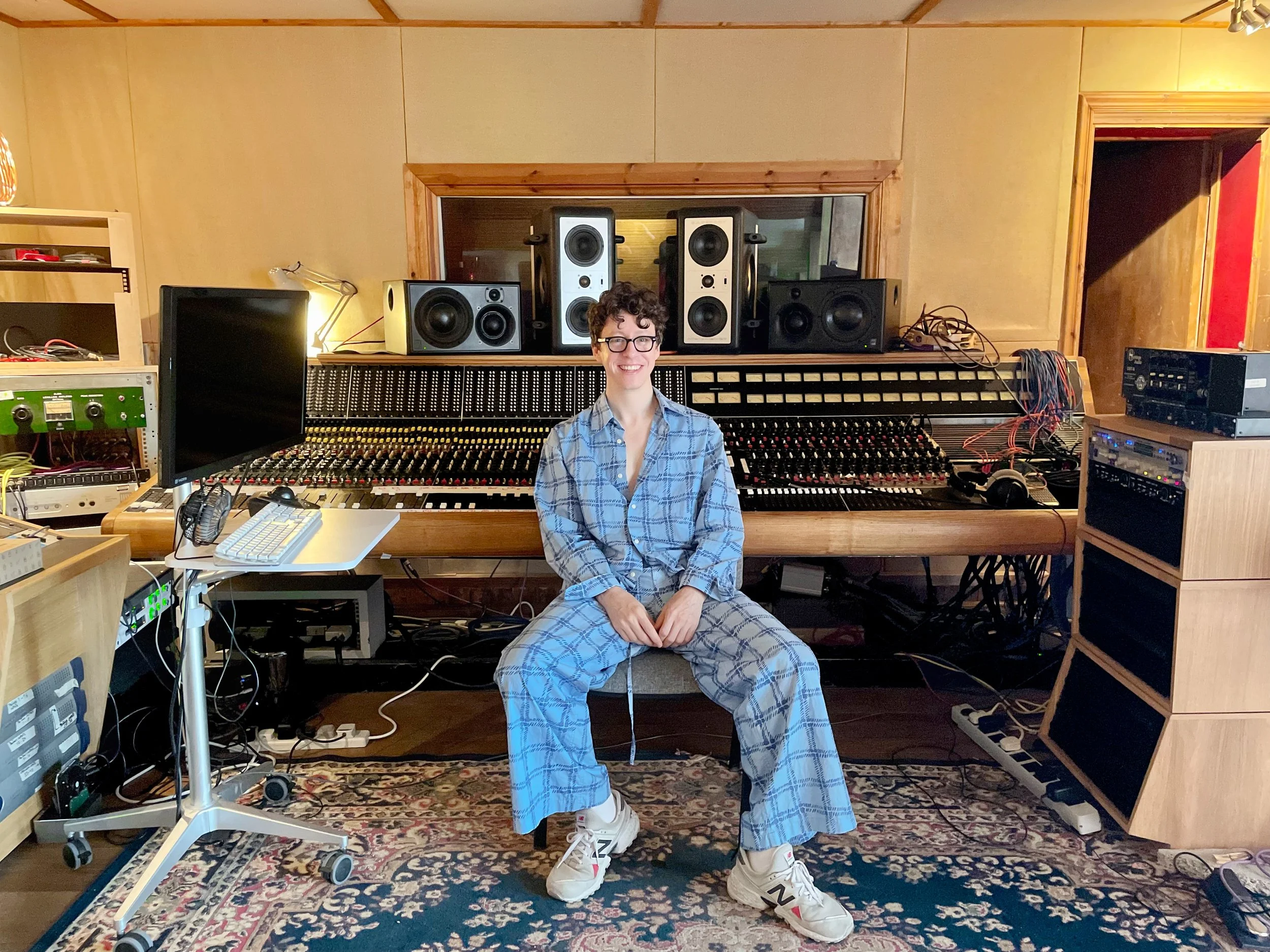
Can you tell us a little bit about your work?
I’m a composer, singer, violinist and pianist. My music moves between instrumental music and song, responding either to commission or purely self-motivated projects, but always connected to something quite deep within myself.
At the moment, I’m in the midst of an ambitious project to self-release new music each month of 2026 (which you can follow along! bio.to/JordanHuntMusic). I’m currently releasing a collection of instrumental pieces called Music for Dance Unseen. They were originally written for imagined choreography during lockdown, but I’m sharing them now as standalone works across the first half of this year.
Alongside that, I’ve started making very short one-minute films that reflect on the creative process behind the music - a natural progression from a podcast I started back in 2024.
How did you find your way into your creative practice?
I always sang with my mum at home, and music felt very natural. It was never forced upon me. I was lucky to receive free violin lessons at school, and later piano lessons to help with university applications.
I eventually studied composition at music college, which felt quite far removed from those humble beginnings. After graduating, I joined a band, The Irrepressibles, and that introduced a whole new world of pop repertoire. I began writing my own songs, which felt like a kind of full-circle moment. Over time, the classical and song worlds naturally began to overlap.
As a classically trained musician, how important is it for you to translate voice and speech into sound?
During my classical composition training, I often found things quite abstract and conceptual, which was at odds with my emotional core. It was as though the professors weren’t interested in my musical soul or what I had to say, but in how many notes I could write.
It wasn’t until I started playing and singing in The Irrepressibles that I really understood how closely musical lines could relate to the voice and to human breath.
After music college, I had to unpick and unlearn a lot of what I’d been taught, and reconnect with that little boy who walked around the house singing along to Mariah Carey, and remembering why I wanted to study music in the first place.
Although much of my recent music is instrumental, I now rarely think of it as abstract. I’m usually trying to capture and express something very human inside the sound, closer in spirit to my songs.
Conversely, I often write songs with melodies that are quite instrumental in their shape - sometimes a little too ambitious for me to sing! I think that’s the composer-brain I can’t quite shake off.
Your lyrics are deeply rooted in raw emotion. Do you find freedom in expressing that through song?
Songwriting gives you a strange combination of honesty and disguise.
You can say something very direct emotionally, but the music holds it in a way that makes it easier to share. From my perspective, I sometimes feel I’m saying something very plain-spoken and vulnerable, but however directly I want to communicate a feeling, the music wraps it in a kind of enigma. That fascinates me.
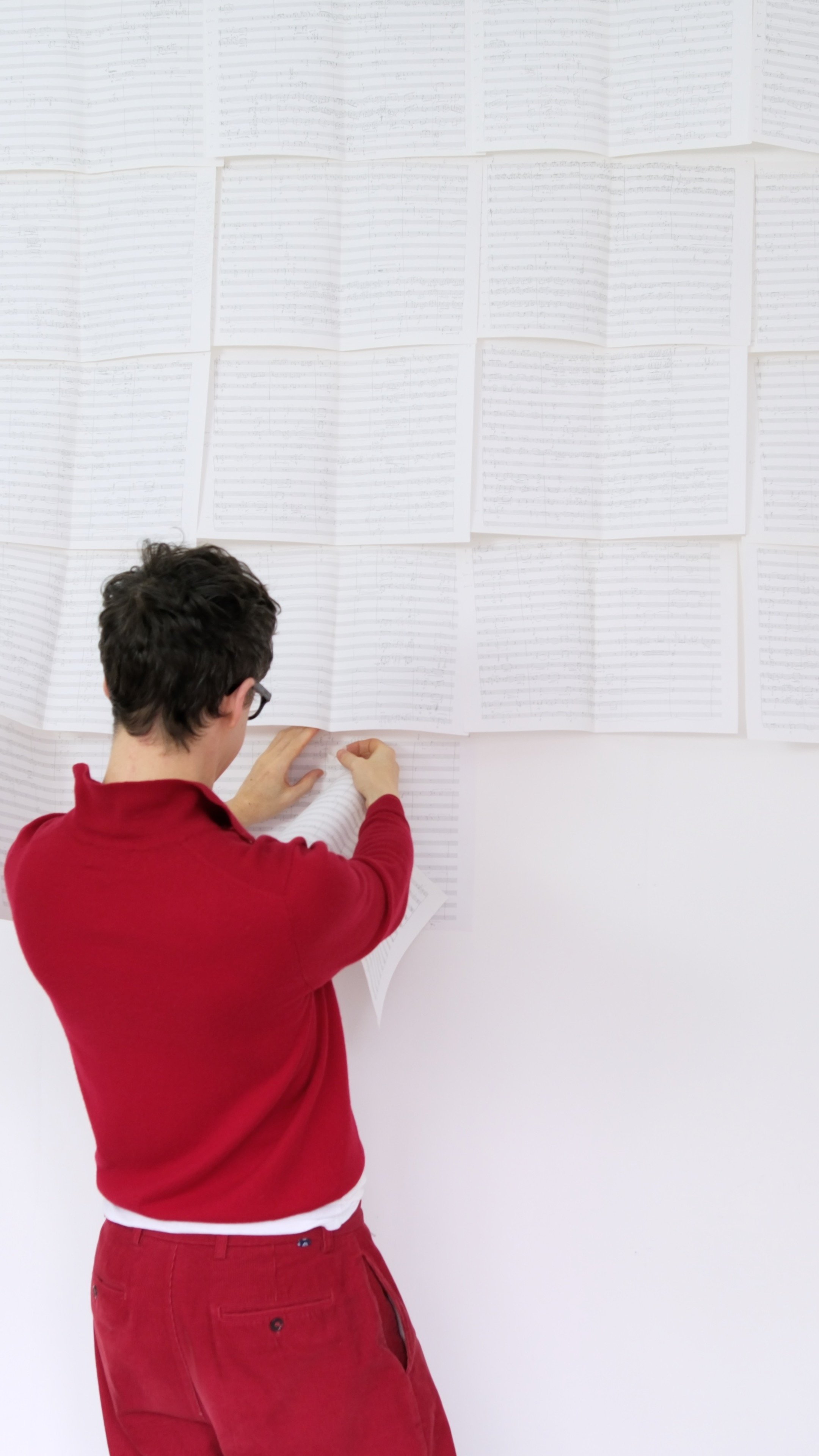
I also love how lyrics force a kind of compression. Sometimes a single line can carry the emotional weight of a much longer story.
You’ve worked with some fantastic collaborators. How do you wrestle different voices into one collaboration?
For me, collaboration starts with listening.
I often find myself presenting a slightly different persona or social mask depending on who I’m working with, whereas the music is where I can speak more as 'myself', whoever that is?
Everyone brings a different emotional perspective to a piece of work. The goal isn’t to smooth those differences away but to let them shape the work. Often, the most interesting moments come from someone interpreting an idea differently than you expected. Even miscommunications can yield wonderful results.
Why did you decide to start a podcast?
The podcast came from a moment of creative frustration. A project had stalled, and I found myself sitting on a lot of unfinished recordings with no clear way forward, but still having the impulse to share and connect. I realised I needed a place to think out loud again.
Deep Down eventually became a series of conversations with artists, colleagues and friends working across different disciplines, talking about creativity and identity.
How does using your voice for music differ from using it in conversation?
They feel like different levels of editing.
The conversations in Deep Down are very open. You’re discovering ideas in real time.
Lyrics sit at the other end of the spectrum, distilled down to syllables that have to fit a rhythm or rhyming pattern.
Recently, I’ve been experimenting with short one-minute voiceover films, which sit somewhere in between: spoken reflections, but carefully shaped and scripted. Each format filters the voice in a different way.
Has the podcast influenced your creative voice elsewhere?
Yes, it made me more comfortable speaking about the creative process itself.
For a long time, I only shared finished work, but the podcast reminded me that people are often just as interested in the thinking behind it. At times, I also had doubts about simply talking into the void, which pushed me to refine how I express ideas.
That instinct for editing thoughts, almost like shaping lyrics, now feeds into the short films and how I frame the music I’m releasing.
What makes a good podcast host?
Curiosity?
If you’re genuinely interested in someone’s thinking, the conversation usually finds its own shape. The best moments often arrive when you give someone space to finish an idea rather than rushing to the next question.
When I have guests, I usually go in with only a loose set of touchpoints, mainly so I remember to plug their book or show!
Whose work are you listening to right now?
These days, I don’t listen to music quite as constantly as I used to. I often find myself very content in silence and sometimes go whole days forgetting music is now freely accessible, which would have been an unimaginable luxury when I was a teenager.
But when I do listen, Radio 3 often keeps me company and sends me back to classical pieces I fell in love with during my college years when it was all still new. I find myself chasing that feeling of sitting on the edge of my seat, waiting for a specific moment in an aria or a string quartet that might bring me close to tears like it did the first time I heard it. Those moments remind me that the point is to make music, share music, and move people.
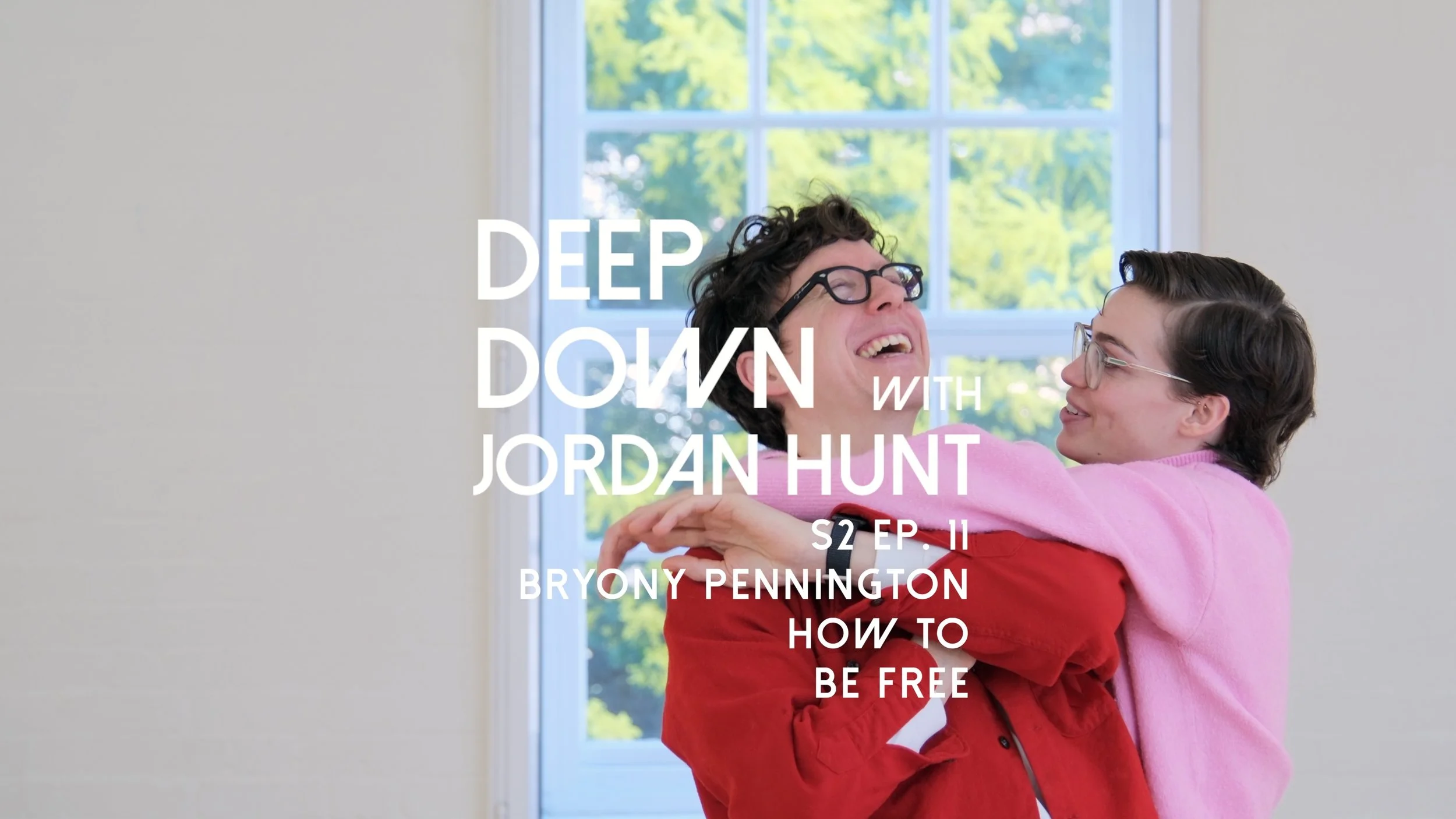
Deep Down with Jordan Hunt - Podcast
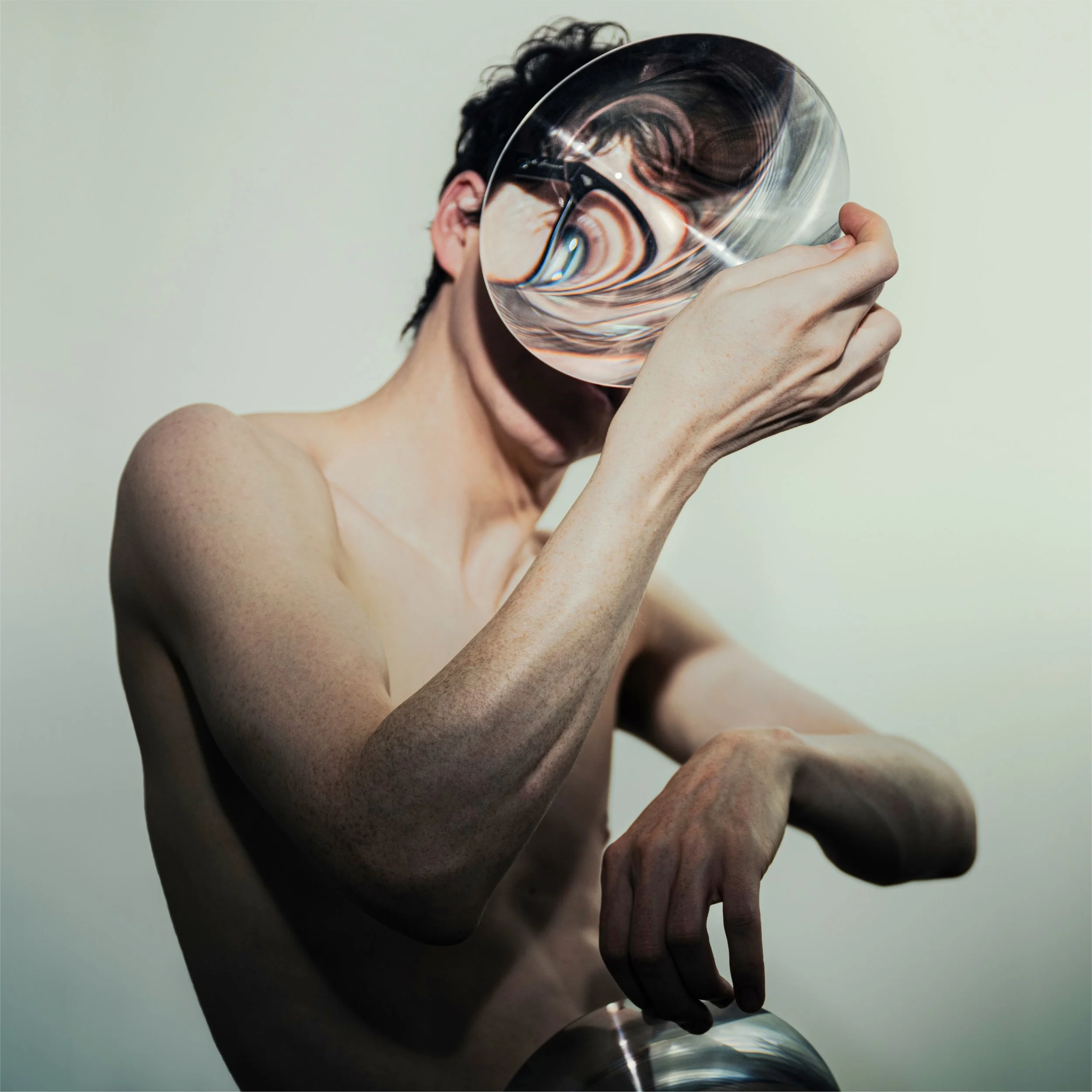
Music for Dance Unseen