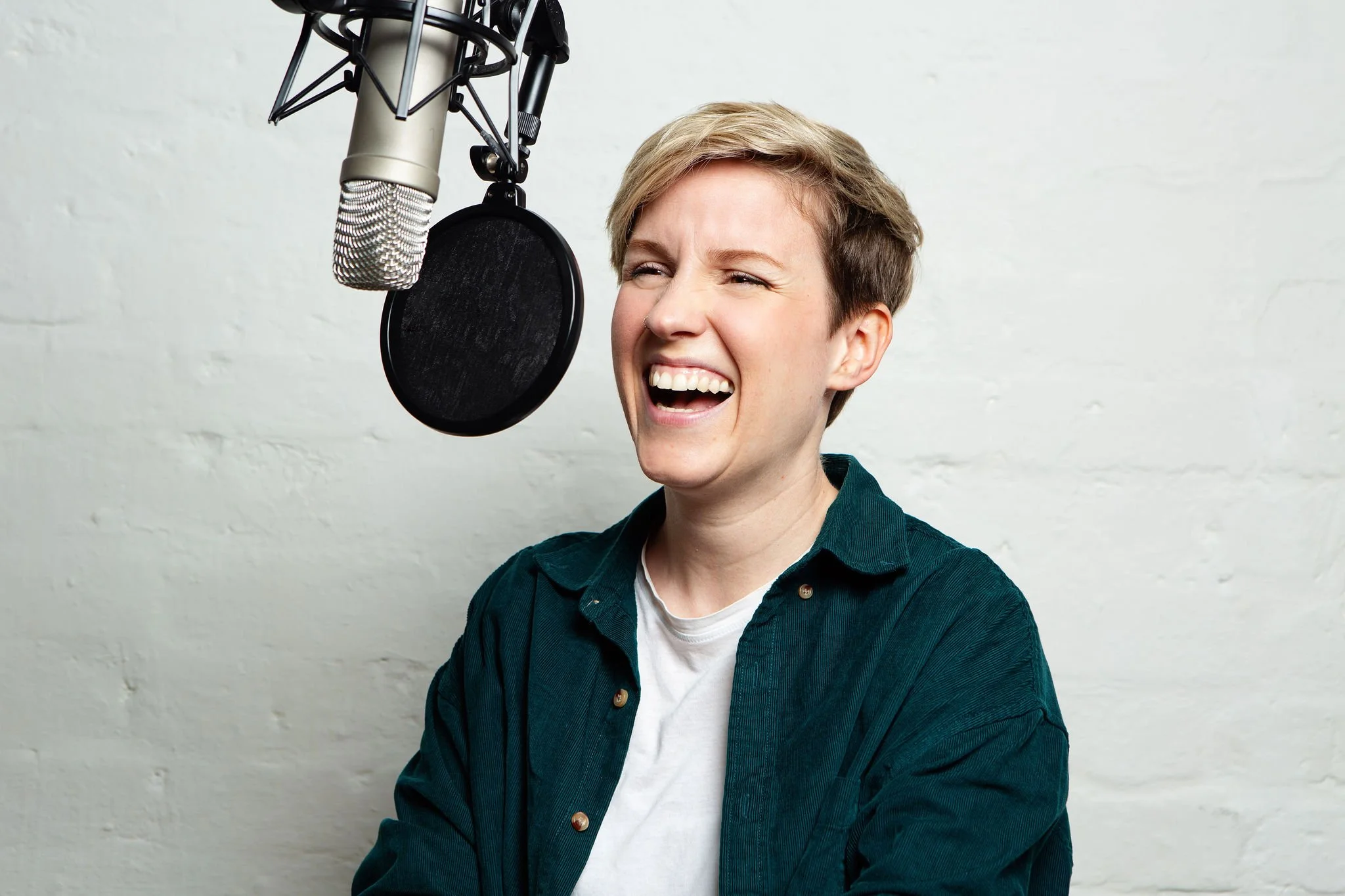
VOICED. with Leonie Schliesing
Leonie Schliesing is an award-winning, multilingual voiceover artist, director, and coach. Originally working across musical theatre, stage, and screen, voice work offered a new freedom and opened up a fresh world of creative opportunities for Leonie. It’s more than fair to say she is absolutely killing it in the voiceover world. Multiple awards, extensive credits ranging from hit games like Assassin’s Creed Valhalla: The Siege of Paris to huge commercials for brands including Diet Coke and BOSE, plus sell out workshops! But Leonie is also really thoughtful about how she works. Proudly part of the LGBTQ+ community, Leonie champions inclusivity and is a strong advocate for inclusive casting that strives not just for a better industry, but a better society to live in. Big shout out to Leonie for sitting down with us to chat. We feel this is just the beginning of some really important conversations.
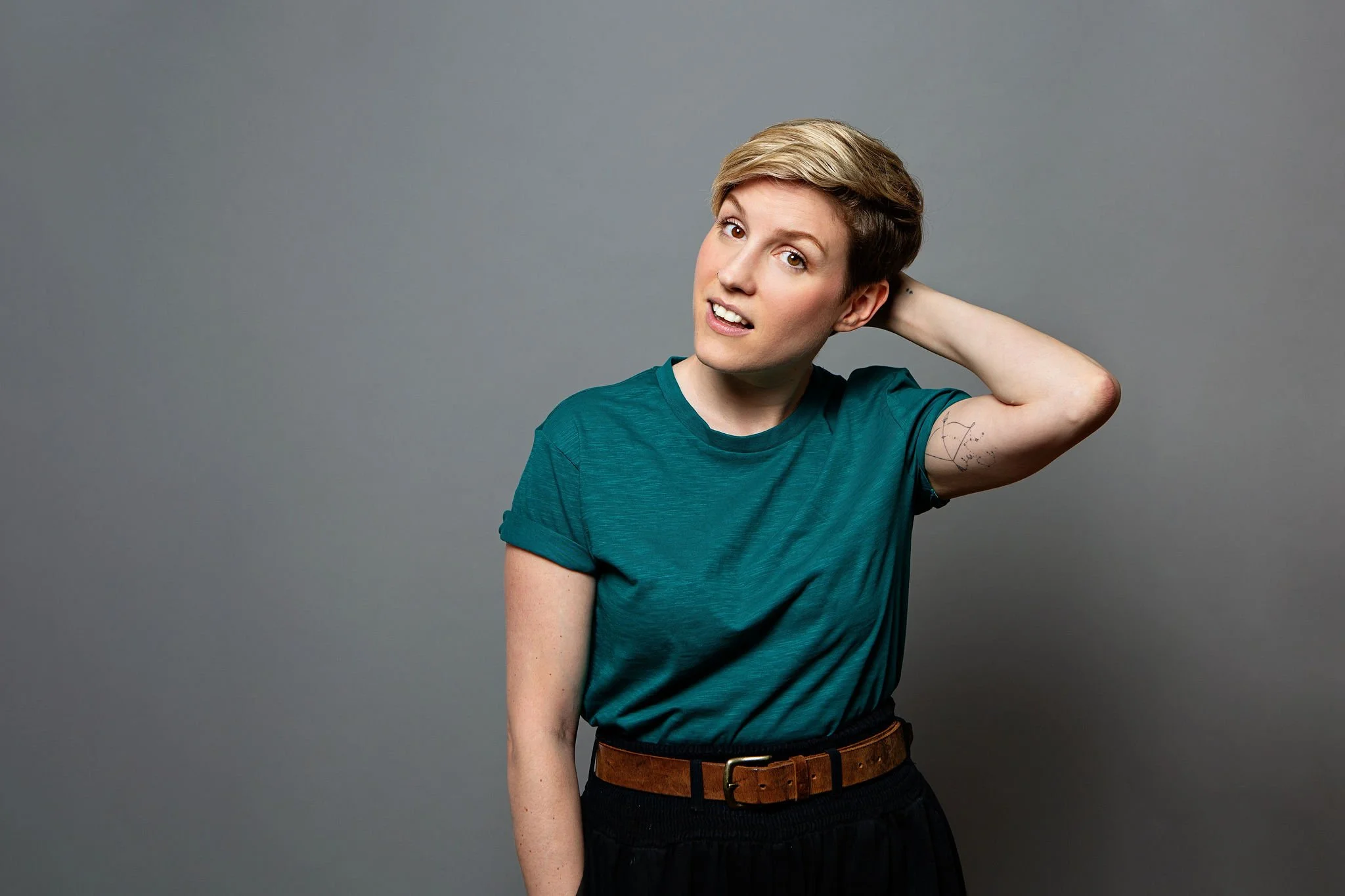
Leonie Schliesing
How's it going?
Pretty well thanks! I just wrapped my second to last recording session of the year before going on a long Christmas break. Cannot wait. This year has been very kind to me and it’s been a busy end of the year so I’m very much looking forward to spending two weeks in my teddybear onesie eating my bodyweight in chocolate.
Tell us what you do..
In a nutshell, I’m an actor, director, coach and singer and I do that in English, German and French.
You've won some pretty impressive awards for your voiceover work (congrats!) BUT what drew you to voice work and keeps it so satisfying for you (aside from the lovely awards)?
Thanks! My original training was in Musical Theatre and I worked on stage and screen for a few years, before falling into Voice Acting, pretty much by accident. I fell in love with the freedom, the variety and wealth of opportunity I found in the voice world. It doesn’t feel as restrictive as the theatre and screen worlds felt. You get pigeon-holed less.
I believe that if you work hard and have the talent and the determination, you can achieve great things in this industry, no matter who you are.
Also, the incredible variety of the work coupled with the flexibility it gives me is perfect for my ADHD brain. The awards - while I’m very proud of them - have merely been a beautiful confirmation along the way that I am on the right path.
You identify as genderfluid and are proudly bisexual. How important is it to you to bring lived experience into the projects that you voice?
So important! I am a huge believer in representation, authentic casting and increasing opportunity for often marginalised communities. It promotes authenticity, acceptance and mutual understanding.
Some people counter this by saying “But it’s acting, it doesn’t matter whether the actor has the lived experience!”, and that might be true, but it’s not only about lived experiences. It’s about people getting to tell their own stories after having been left out of the conversation for far too long.
“Nothing about us without us” is a powerful slogan of the disability rights movement, emphasising that people with disabilities must be involved in the process of telling their stories. And I think this should extend to every part of society; gender, sexuality, ethnicity, disability….everyone should get to shape their own narratives and be represented authentically.
A huge joy within voiceover is that we don't always see a face, which can strip away a lot of assumptions we tend to make as humans when we see someone. That freedom can actually unlock a lot of casting possibilities. Given that freedom and power, how do you think representation should show up across voiceover?
This sort of ties in with my response above. Just because we can play pretty much anyone, it doesn’t mean we should.
I have in the past been approached to voice Black, Asian, Muslim characters by producers who didn’t consider authentic casting to be of importance, for exactly the reason that “nobody can see my face”. But I turned down those roles, recommended actors who fit the part and educated the clients on why it was important. Luckily, they all understood and agreed.
I think we have a collective responsibility as actors, producers, directors, casting directors and agents to educate and raise awareness when it comes to representation and authenticity.
My rule of thumb is, if the character's ethnicity or religious background doesn’t match mine, I pass. Same if an accent is requested that I can’t truthfully and respectfully portray. The pool of amazing Voice Actors is so massive nowadays, with remote recording offering the possibility to hire anyone from pretty much anywhere. I just don’t think there’s any excuses anymore for not casting authentically.
This is a big one - what do you think the future of voiceover looks like?
Oh dear, haha. Can I call someone?
In all seriousness, I would be lying if I said that I haven’t had sleepless nights about this. The giant pixelated AI elephant in the room is worrying me, of course it is. So far, my work has been largely unaffected but I know that many others have felt it. The technology will only get better and I am pretty certain that a vast portion of voice work will go down that road. On the other hand, I also have hope that many humans will keep on wanting to work with other humans and will keep on valuing creative collaboration. I do think the amount of work out there will reduce and the people who see voice acting as a bit of a side-hustle might need to find a new one. But I believe - and hope - that my job will still exist in 10 years time. And maybe, after the initial craze and shiny object excitement, a few more people will realise that there’s just nothing like a real human voice.
Lastly, can you give us one piece of advice for any new voices wanting to get their voice heard?
My biggest regret is that I didn’t find the Voice Acting community sooner. I did this all by myself for a good three years before finding the most supportive, uplifting, positive community anyone could hope for. Join the Facebook Groups, go to the conferences and socials, meet the people, make an accountability buddies group with people on your level.
I firmly believe that the reason I am where I am in my career is because I stumbled upon the One Voice Conference in 2021 and made connections that helped me grow beyond anything I could have ever imagined.